You’ve come a long way, haven’t you? Even if it feels like you haven’t gotten very far, you know it’s true. Every one of us who has survived COVID, not to mention the upheaval of the past few years, has covered a lot of ground. And anyone who makes a life despite complex chronic illness has a lot to be proud of, if you ponder it.
Part of the journey is knowing what to keep and what to jettison. It’s funny, how easy it is to cling to what we should throw away. Meantime, the things we should keep are ignored or discounted. I’ve written about letting go of things in other blog posts but this time? I’m thinking more about things to keep. Small things, maybe, but valuable.
The community you find online
I don’t know about you but I used to love Facebook and Twitter.
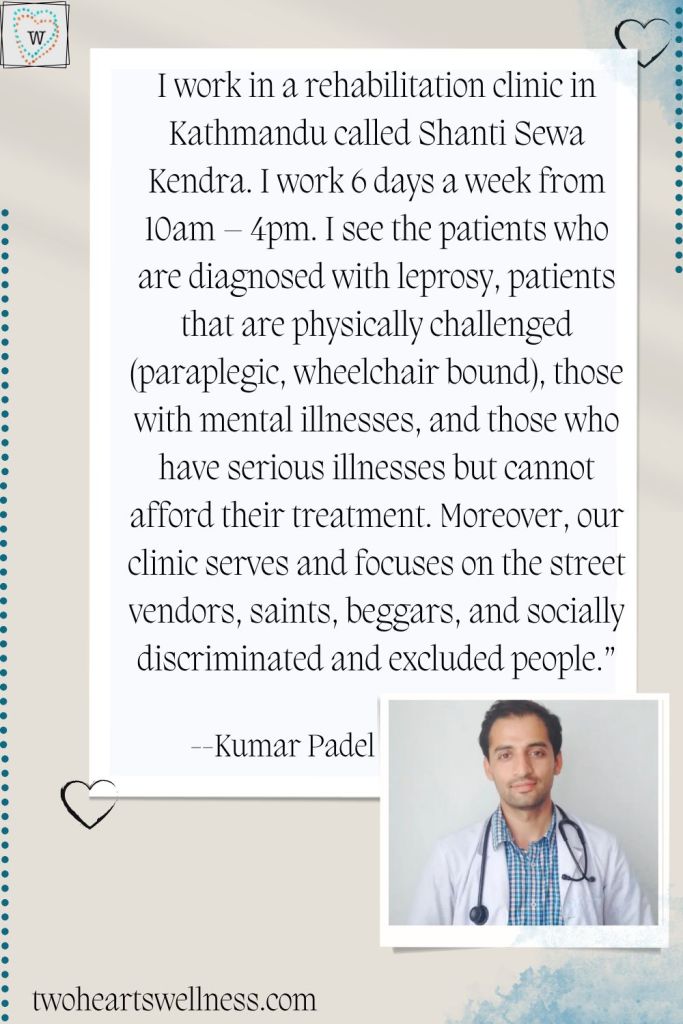
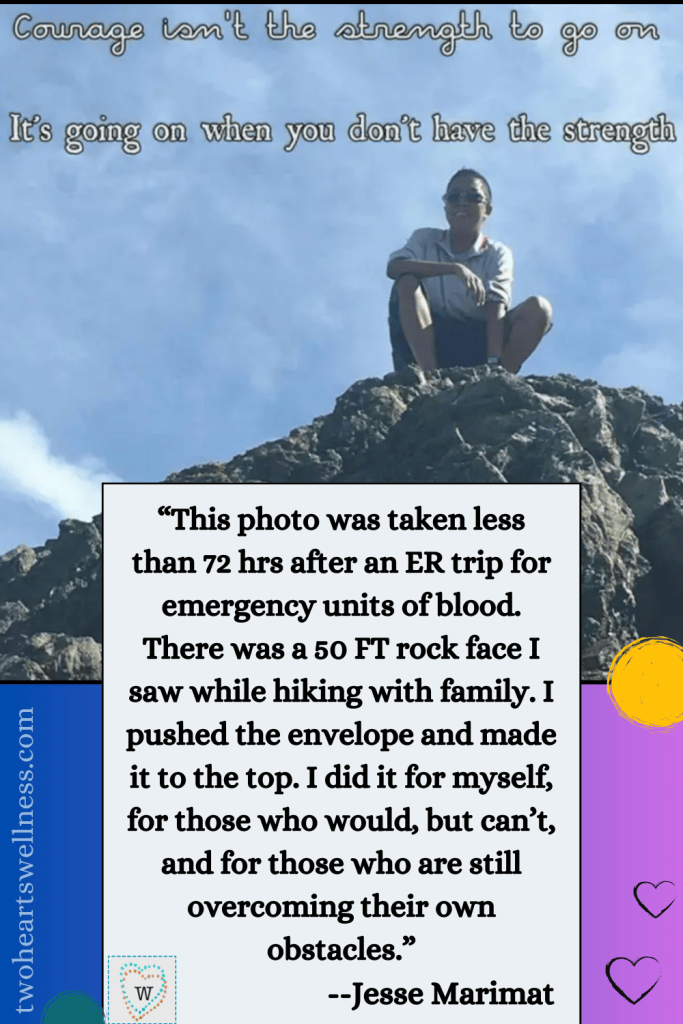
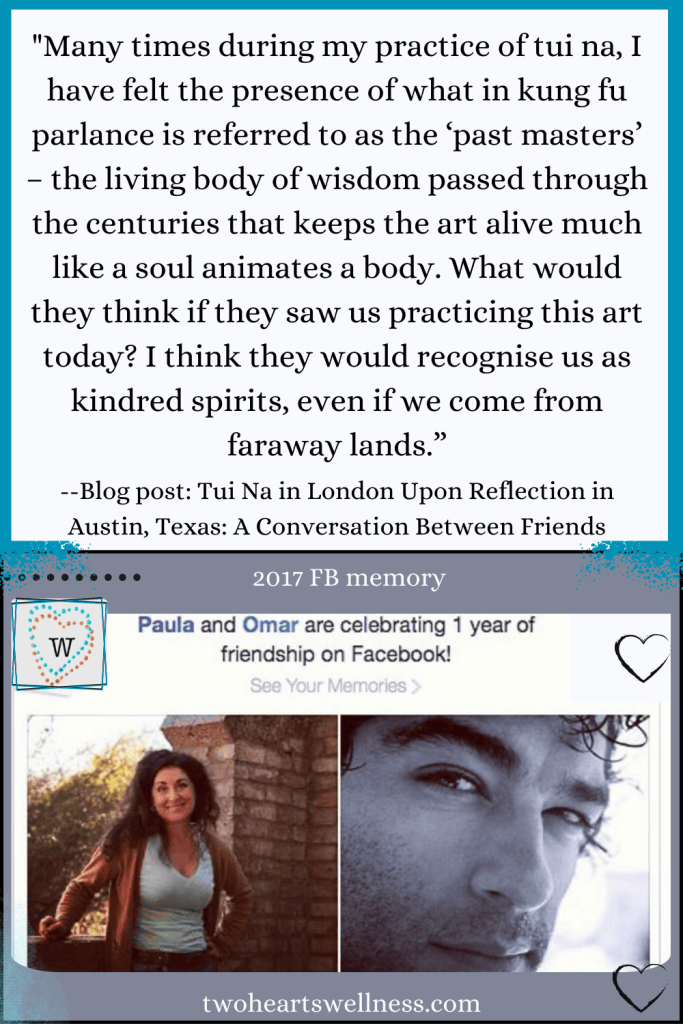
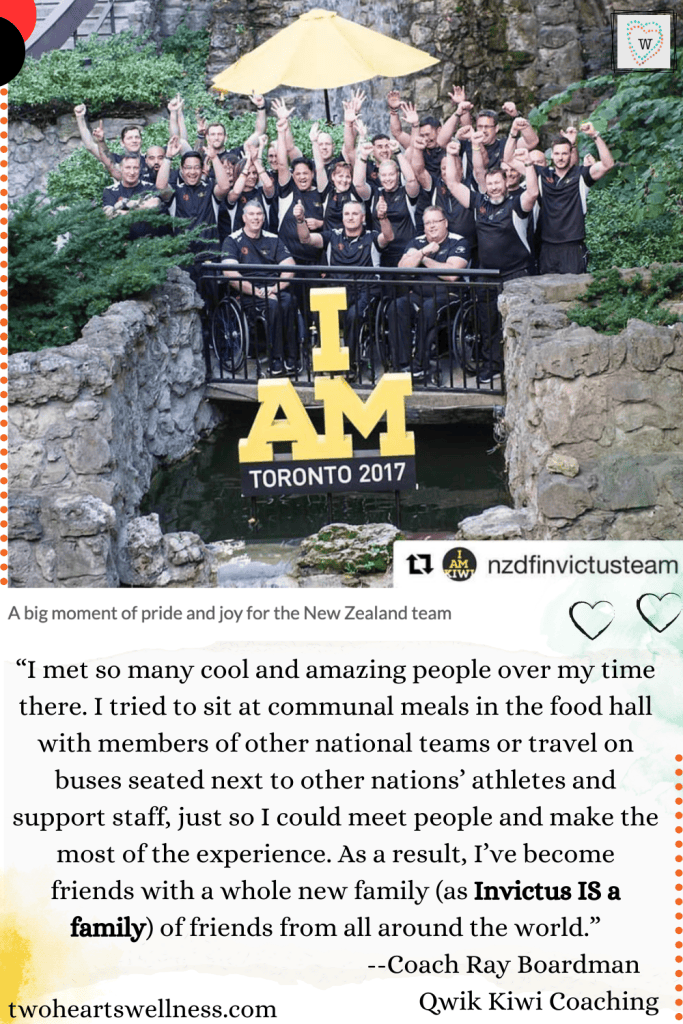
I met some of the most interesting people on Facebook and ended up doing blog post interviews (posted on Two Hearts Wellness) of a young doctor in Nepal, a Filipino-American rare disease warrior, an Egyptian tui na practitioner who lived and worked in London, and a personal trainer from New Zealand who went to the Invictus Games with his athletes one year. I also found all sorts of EDS groups and learned a lot from regular people who came together and shared their wisdom and hard-earned knowledge about this condition.1
*****
*****
Twitter was my favorite though. I adored the chronic illness community I found on Twitter.
*****

*****
As we all know, though, both of these platforms have gone the way of enshittification. I no longer go on Twitter, ever, and I’m only on Facebook as little as possible. The AI slop in our groups is a disaster, I think, and I hate all the fake names and unreal avatars.
And yet… there are still pockets of goodness in the Facebook groups. And there are new places to connect, like Bluesky and Myechoboard (this is like Pinterest only way better).
The lesson here is to know how to adapt. I was genuinely sad when Twitter became its latest iteration but I couldn’t stay. I’m not too happy about Facebook but I know what’s still good there and I stick with that. And I’ve found interesting new places to build community.
I will keep my online community and I will keep doing my best to share good things to online spaces I inhabit. We do have good people in our online groups, don’t you agree? And if we want to keep them, we need to maintain a presence and the intention to contribute in a helpful way.
What will you keep from your online communities?
*****
*****
Lessons about shutting off the computer and putting away your phone
That said, I am also going to try a little harder to not be online so much. What about you?
Part of it is that I do think that too much computer time turns my brain to mush and I’m not keen on that happening. Also important: I’ve written about this elsewhere, but I fell twice in one week last April and really, really hurt myself. It’s been a long road back from the injuries I sustained and, for a very long time, all I really could do was lie around and try to distract myself with online activity. Any movement hurt and my concentration was shot because the pain was so overwhelming. This went on for months.
And now that I’m finally starting to feel better, I realize that it’s time to get up and move. It’s time to read actual books again. It’s time to not be online as much.
Especially when chronic pain is a factor, it is really easy to develop a distraction habit that involves spending way too many hours online. Is it time for you to reclaim your time and direct your energy and attention elsewhere?
*****
*****
Lessons you have learned about self-care and self respect
We all deserve self-care and we all deserve self respect.
The self-care end of things can be a challenge when we live with chronic illness. When so much time and energy go towards taking care of one or a long list of health conditions it’s tough to separate illness management and/or self-maintenance from self-care. But there is a difference and you do deserve to have boundaries and to rest and enjoy things that bring you happiness and inner peace.
“When is the last time you considered your understanding of the term self-care? Do you blur self-care and self-maintenance, or do you see the first as an indulgence (that may or may not be available to you) and the second as an ideal (that you maybe struggle to achieve)? Where does a mindful practice fit into these polar opposites? One thing to keep in mind is that there is a middle ground between self-care and self-maintenance.”
—Self-Care For Folks With Hypermobile Ehlers-Danlos Syndrome (Yes, You Do Deserve It)
Just because you have to dedicate a lot of time to illness management does not take from your right to partake in self-care activities.
And self respect should be a given. You’re not less-than because you’re chronically ill. You have value. You bring value. You are worthy.
Claim it.
*****
*****
Hard-won wisdom about not engaging when there’s no point in so doing
I am a logical person. If I’m wrong, I can see reason and I will own up to my errors. If I am not wrong, I generally will rely on logical arguments for my cause.
And?
One of the more shocking things I discovered when I left academia (as anyone who reads my posts or follows my social media knows, I was a Spanish professor in my first career) was that people who do not know a thing about my area would try to argue with me about it. They couldn’t cite their sources. They had no qualifications. And yet… the Dunning-Kruger effect is real. Not knowing what they don’t know and overestimating their competence is what it is. In sum: it just is.
Eventually, I decided that I was going to be anyone’s unpaid professor. I am not going to knock myself out to teach critical thinking skills without compensation. Life has been less complicated ever since.
The same goes for chronic illness, if you ponder it. It’s not up to you to do the heavy lifting of teaching others who do not want to learn and who do not want to understand. That person who says “But you don’t look sick” or “Oh, EDS is a TikTok fad” or “You don’t need a wheelchair–you can walk” and other similar is not worth your effort.
*****
*****
Recipes you’ve tried
On the bright side? I’ve learned how to make excellent bean burgers. I’m not a huge meat eater anyway, and when it’s hot outside (about two-thirds of the year in Texas, where I am) even less so. My normal palate goes for Spanish, Sicilian, or New Mexican food and my home style is a mash-up of these three. I find that I’ve added Chinese touches here and there to what I eat, so now my food is a mix of four components but it’s all very good. I think so, anyway.
And bean burgers are yummy, I think.
I don’t know about you, but as someone with MCAS, being able to eat a range of things is a big deal. This wasn’t always the case, and I wrote a heartfelt blog post about surviving the holiday season with MCAS. In it, I mention the time when I could only eat five things, and only those five things.
*****
*****
And what about the way your autonomic nervous system moves things through your GI tract? It’s not just MCAS. Dysmotility disorders are a real problem for people with EDS.
“Some of my patients have issues that revolve almost entirely around their digestive systems. Consequently, I want to mention that dysmotility of the digestive tract is not the same thing as stomach dysmotility (aka gastroparesis). When we refer to that, what we’re talking about is slow transit constipation and it relates to the large intestine.
—Dysmotility, Anyone? (Gastroparesis & hEDS)
Both of these movement issues are not surprising for people with EDS.
Gastroparesis, for its part, usually has symptoms related more to the upper region than the lower. Some of those associated with GP include severe nausea, vomiting, pain, and early satiety. You just don’t feel like you have room in your stomach even if you were hungry when you started eating. You might also get bloated, experience acid reflux, unwanted weight loss, malnutrition, and abdominal pain. If you’ve got the combo two-for-one deal and your intestines don’t move things along either, you may also suffer from constipation, diarrhea, and/or belly pain that can radiate throughout your mid-section and pelvic floor.
The long story short here?
Not all of us can eat what we want and when we want it (assuming we want anything at all). Consequently, if you can eat comfortably and you have the energy to try a new recipe… you have something to keep, for sure.
Books
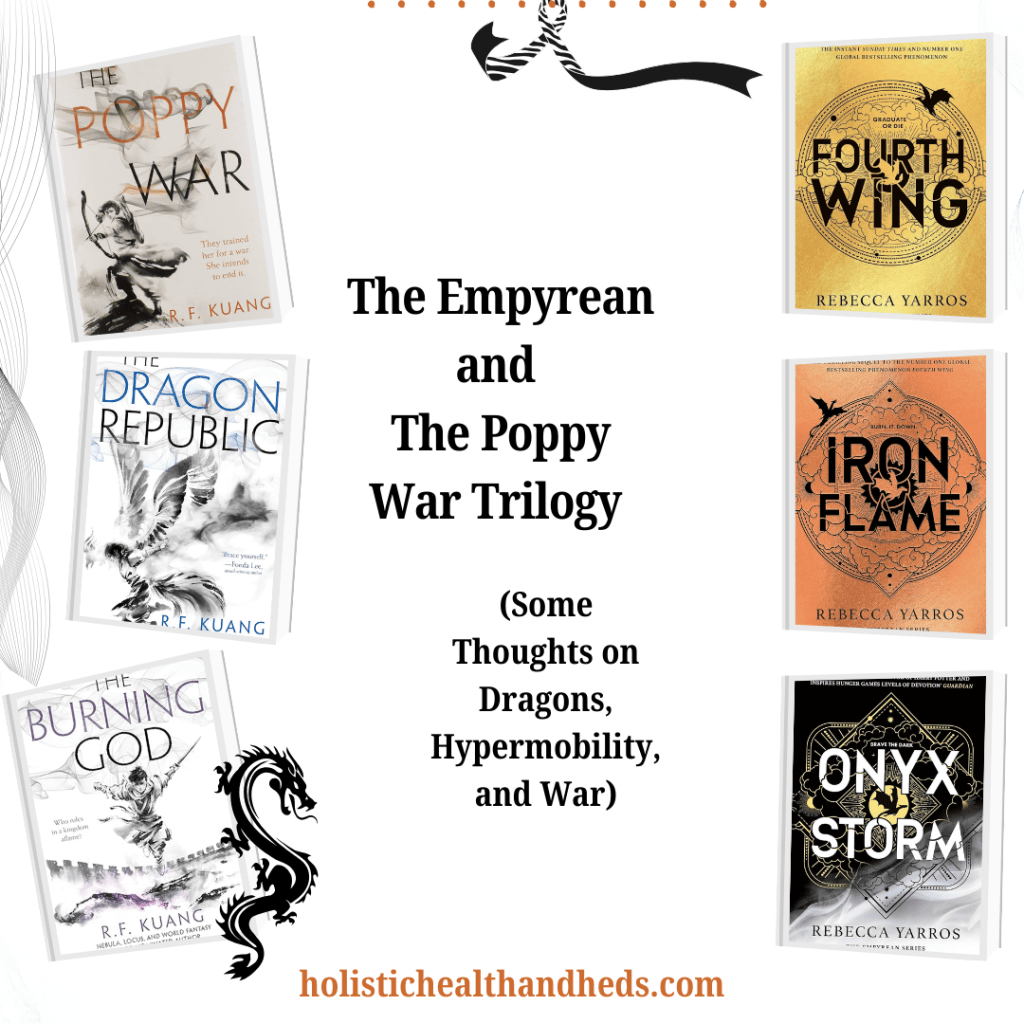
In alignment with my hard-won wisdom regarding distraction from pain and overdoing it with the online time I am returning to my love of books (I’m a literature Ph.D.) and my massive collection that I already own. Less internet, more printed page? That’s a keeper for sure!
*****


*****
When I was in graduate school and had people over to my apartment, the first question they’d ask (once they picked their jaw up off the floor) was: “Are these all yours?!” My home and my office are both full of books today. But I do understand that some of us prefer Kindle and others aren’t in a position to amass a home collection. That’s what the public library system is for, and if you’re reading on a Kindle, so what? It’s still reading.
Read, read, just do it… read!
*****
*****
Anything really neat
Toxic positivity makes me hostile. I do not have time for it and it really bothers me when it’s ladled out to folks in chronic illness communities. On the other hand, there’s enough to be unhappy about without looking for reinforcement for one’s sense of being overwhelmed and struggling.
What about a happy medium?
I go through periods where, at the end of the day, I recite to myself everything I thought I did right that day. Sometimes, the list is a good one. Other times, it’s “I did my best” and “I survived this day.” Other times, my recitation is of things that were good that day. Sometimes, there’s a lot of good. Other times, it’s “I saw a hummingbird” and “My feet stayed warm.” Either way, I get in the habit of noticing something encouraging each day. I forget to do this for long stretches, but when I feel overwhelmed or unduly challenged, this is an easy habit to pick right back up again.
I’m keeping it.
What about you? How do you make space to recognize the little things in your life that (a) are encouraging and (b) can add up to a comforting bank of positive reinforcements for you? If you don’t have a practice, maybe try what I’ve just described. I suggest this to patients and health coaching clients when appropriate and people do report back that it helps them. What do you think?
Living with HSD/hEDS, any version of EDS, MCAS, POTS, and all the rest of it is not for sissies. It takes guts and grit to make a good life despite chronic pain and the challenges of chronic illness. It also requires creativity and the ability to sift through all that is thrown our way. What do you discard? Knowing what to discard is a very useful skill indeed, but so is the opposite. So is knowing what to cherish and hold, no matter how small the treasure.
So what, ultimately, do you choose to keep?
*****
*****

Dr. Paula Bruno, Ph.D., L.Ac., is a licensed acupuncturist and herbalist, an AOBTA-CP traditional Chinese bodywork therapist, an author, and a health coach. She maintains an active and growing practice at Two Hearts Wellness, her Austin, TX office. Dr. Bruno is also available for distance appointments for wellness consultation or coaching.
In her first career, she was a Spanish professor.
Dr. Bruno’s specialties as a Chinese medicine practitioner include: • Musculoskeletal health (acute or chronic pain relief; Ehlers Danlos syndrome & hypermobility support) • Digestive support, gut health, and weight loss • Aesthetic treatment, including scar revision • Men’s health • General preventive care and wellness support for all persons.
She is the author of Chinese Medicine and the Management of Hypermobile Ehlers Danlos Syndrome: A Practitioner’s Guide.
When you are ready to discover what traditional medicine plus a vibrant and engaged approach to holistic health can do for you, either contact Dr. Bruno or book an appointment online.
*****
*****
Two Hearts Wellness/Holistic Health & hEDS does not accept paid advertising on this website and only relies on strictly necessary cookies. All our copy is generated by human effort (there is no AI slop here!)
Note: Material on this web site site is not intended to diagnose, prevent, treat, or cure any disease, illness, or ailment. A Chinese medicine practitioner in Texas identifies syndrome patterns but does not diagnose illness. Material on this web site does not purport to identify syndrome patterns.
*****
- I have some really nice interviews (including the ones I mentioned just now) here: Interviews. A more recent Facebook colleague, Nicola, has hEDS too, and her interview is on here on Holistic Health & hEDS: “Traveling With Hope: An Interview With Nicola of Earth Balance Tai Chi.” Also here is my interview with a contestant on the tv show Ink Master who also has hEDS: “Tattoos & EDS, MCAS, & POTS, Part III: An Interview With Ink Master Alum Caroline Evans.” I did not meet her via Facebook, but it is an interesting interview, so… ↩︎

