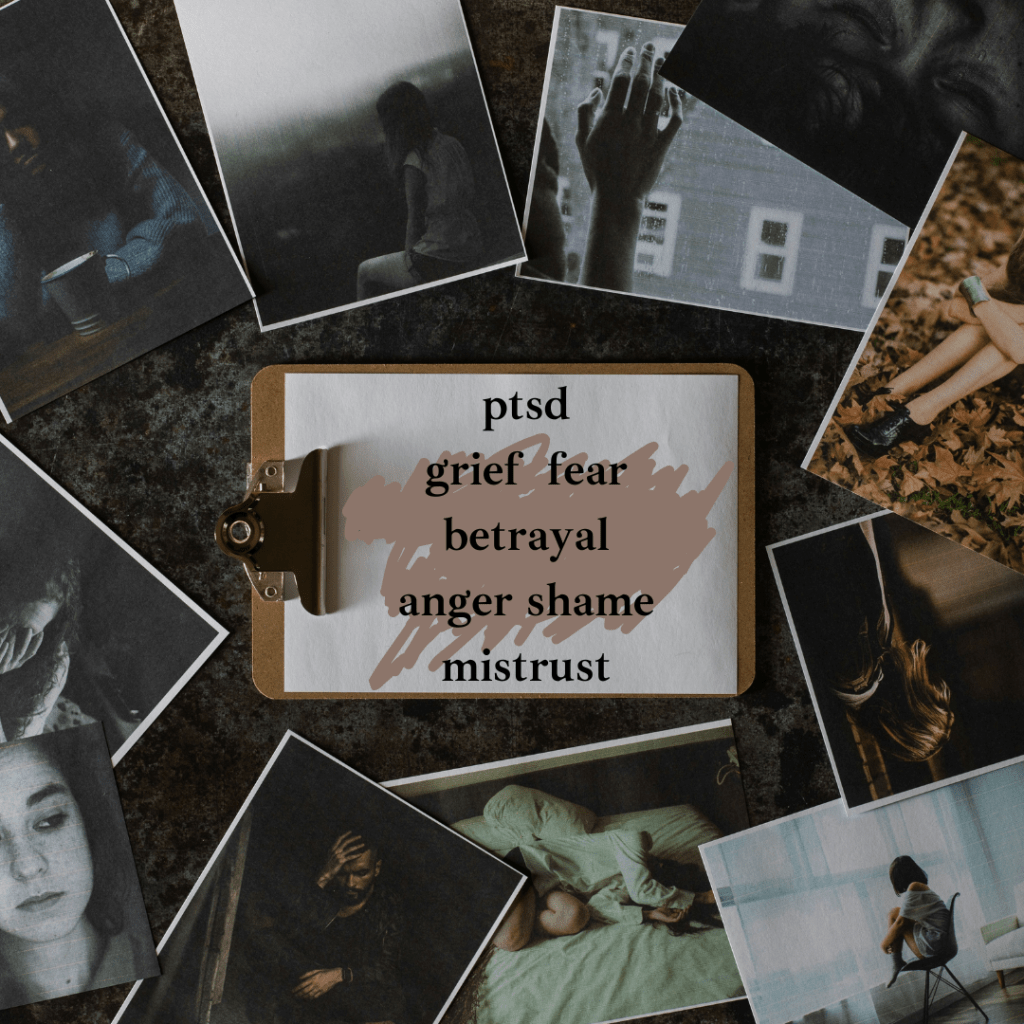
Medical PTSD is a form of post-traumatic stress disorder caused by damage experienced within the contextual framework of healthcare. The trauma might encompass any number of events or occurrences. However, my focus in this essay is on the experiences of chronic, complex, and/or rare disease populations. One thing is to have an exceedingly unpleasant one-off at the doctor’s office or a surgery that went wrong and was subsequently resolved. Quite another is to be dependent on specialist medical care for your very life. Having no other choice but to engage with a system that might kill you just as readily as it keeps you alive you creates a dynamic that requires ongoing engagement and attention.
What can a chronically ill person and/or their loved ones do?
It really is a matter of life and death…
It may seem hard to believe if you are not chronically ill or you do not know anyone with a rare condition, but the reality is this: there are individual medical care providers, some of whom are excellent and caring, and there are systems, some of which sustain a healthcare network that functions well. On the flip side, there are individuals who are cruel and ignorant and there are systems that set up patients for failure. Of course, my focus in this essay is on the latter rather than on the former.
You can be an expert in your own condition and not survive it if you find yourself trapped in a medical riptide that drags you under and pulls you down.
Take, for instance, the untimely death of UK physician and researcher, Dr. Amit Patel, who was hospitalized for suspected hemophagocytic lymph histiocytosis (HLH). This is a rare disease, but Dr. Patel was a nationally-recognized expert on it and other complex conditions. Even so, his expertise was ignored and his wife, a physician herself, was unable to adequately advocate for him. Dr. Patel died and his widow is now suing the hospital that mishandled his care.1
You can be an expert in your own rare disease and still not survive your medical intervention. This begs the question: how can a regular person, someone who is not an MD and a noted authority on their condition, survive?
Death by a thousand cuts is still a killing…
This blog post was inspired by a Twitter post (no, I will not call it X) made by a member of the chronic illness community. This person lamented that their physical therapist had tried to get them to figure out what it was that they were “getting” out of remaining sick. The physical therapist apparently had decided that the patient was “getting something” out of being chronically ill. The PT wanted the patient to dig deep and to figure out what their payoff for being disabled was and this (I guess) was supposed to be part of the patient’s healing process. Rightfully so, the patient felt gaslit and abused.
One of my comments in response was that it’s not a physical therapist’s job to delve into the patient’s psyche. In fact, I wrote, it’s not in a physical therapist’s scope of practice to try to behave as a psychoanalyst to the patient. This, for its part, garnered an indignant response from a physical therapist, who scoldingly informed me that the PT in question was clearly following the biopsychosocial model and in fact working within his or her scope of practice. (I have thoughts on that but will confine myself to a footnote).2
There is too much to unpack here for one blog post but I include the anecdote because it is one of the death-by-a-thousand-cuts affronts that a chronically ill person may endure.
This sort of routine abuse includes but is not limited to:
- Getting dismissed with the declaration that you wouldn’t be sick if you lost weight;
- Being told that your illness is all in your head and that the real problem is somatization or conversion disorder;
- Hearing that you need to quit listening to Dr. Google and being mocked for trying to learn more about your own condition through social media support groups;
- Minimizing your concerns or belittling you;
- Stonewalling when you try to discuss options or treatment modifications;
- Experiencing tests and screenings without your consent;
- Being denied tests and screenings even though you clearly warrant further intervention;
- Coming full circle back to: it’s all in your head/you need to lose weight/if only you had a better attitude…
Oh–and just to be clear–when I write “experiencing tests and screenings without your consent” I mean: you could go for surgery at a teaching hospital and unwittingly be the practice body for a line of students who need to learn how to do a pelvic or rectal exam. Seriously: check this footnote.3

When a specialist in a rare condition goes to a hospital and is gaslit to death as he tries to resolve said condition, it is both a tragedy and a cautionary tale for all of us. When individual patients whose names may never be known to the public leave a doctor’s office feeling belittled and abused and hopeless, this, too, is a tragedy and a cautionary tale. And none of us can rest easy before surgery unless we know, for certain, that the students are not going to use our vaginas and rectums as a practice opportunity while we are unconscious and at their mercy.
Three things to consider, in response:
First and foremost, let’s focus on the root cause of medical gaslighting: the system and the actors within it. We can all acknowledge the limits of science and medicine. An acupuncturist in the United States undergoes about as much biomedicine coursework as a dentist does.4 We did learn about evidence-based medicine and we were socialized to view it as admirable and aspirational. Me? I used to get in trouble because I’d argue with the instructor and remind him that people create the science and human beings are intersectional. Human beings need to get their labs funded. Human beings need to go along with political winds of change. Allopathic doctors don’t always keep up with the latest research and may not have the time to parse it out on a cultural level. And so forth.
In other words: there is no such thing as pure science and pure evidence bases that are never, ever wrong.
And that, for the instructor, was heresy.
I am NOT anti-science and I DO agree with the tenets of evidence-based medicine. I also encourage anyone who thinks that I am out of my league when discussing this topic to read the linked articles that I share in this footnote.5 My observations, from my perspective as a humanities Ph.D., were and are sound and well-thought.
(Oh, and if the linked articles in the footnote are not convincing regarding some medical root causes for gaslighting, there is also Maya Dusenbery’s excellent book, Doing Harm: The Truth About How Bad Medicine and Lazy Science Leave Women Dismissed, Misdiagnosed, and Sick (2017). Ad nauseum.)
Especially if one is living with a chronic condition, it can be helpful to become comfortable with the idea that no one entity has all of the answers all of the time. Doctors aren’t infallible and scientific data, though extremely valuable, has its pitfalls. Human beings make mistakes. And we can understand that, historically, the power imbalance is not always in our favor, especially if we are women, minorities, poor, or of the LGBTQ+ communities.
TL/DR: If you have an unpleasant experience with your MD or other healthcare provider and they try to act like you are the problem…actually, they might be the problem. Trust yourself and, if you can, find practitioners who respect you and who will treat you like you are valued member of a team.

Secondly: Social support and creating knowledge within one’s communities can be a lifesaver. Facebook, for all its problems, has a wide range of groups for people with EDS, MCAS, POTS, and other common-to-us conditions. Some of the larger groups are fairly hidebound and not necessarily welcoming to acupuncture (though, apparently, dry needling from a PT is acceptable) and, consequently, I myself do not feel comfortable with them. But local and niche groups can be a great place for support and the internet, in general, can be a very positive resource for people with EDS and other so-called rare diseases.6
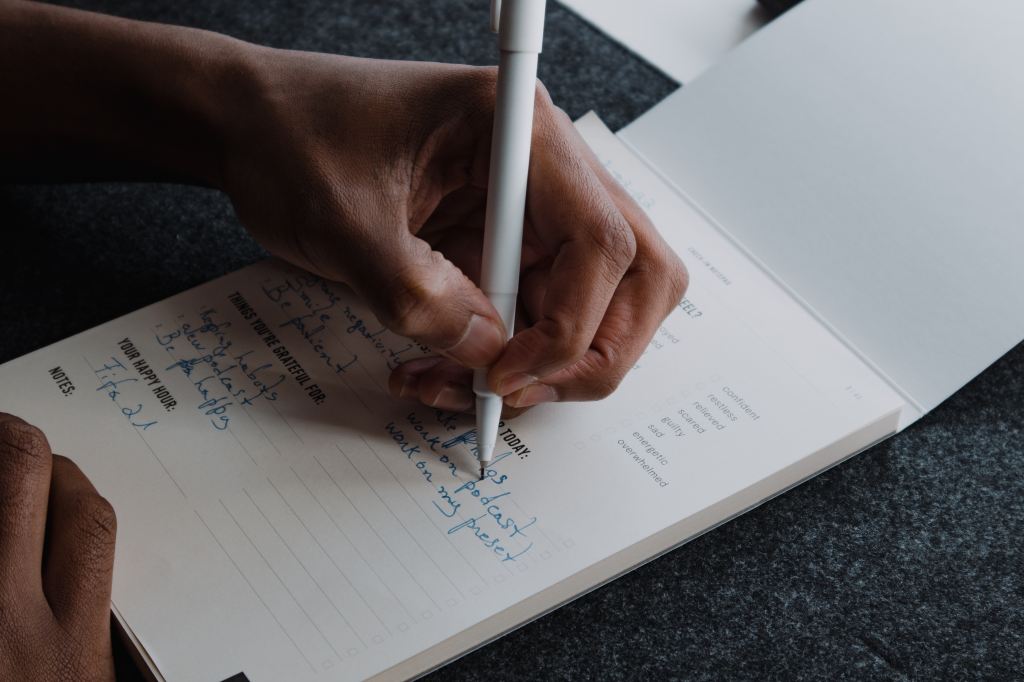
Planning ahead, especially if you do need hospital care on a regular basis, can also be useful. Before you have an emergency, do you have the spoons (or does someone close to you have the time) to check into patient advocacy? If that seems overwhelming, can you at least ask someone to come with you to your appointments? Sitting down and figuring out what you are capable of doing before you need to do it is something that everyone should do anyway, but if you live with a chronic condition, you really have no other choice than to plan ahead.
TL/DR: If it’s available to you, try to build a social network where you can access support. Also: start now, and cultivate your pro-active talents so that when you need them, you are already practiced and skillful.7
Last but not least: If it is available to you, try to find a practitioner who helps you to rehearse setting boundaries in the clinical space. In my own practice, I make it a part of the treatment to actively, clearly, and mindfully teach my patients about their boundaries. When I have a traumatized patient, I do this by:
- Telling the patient what I intend to do before I do it, and asking for their consent;
- Reminding the patient as I go along (for example: “I’m going to place the needles in your leg here; is that still okay?”) or asking permission if the plan changes (“I need to work on your shoulder here; is that alright with you?”) so that the patient ALWAYS gets to decide whether or where they are being touched;
- Practicing the question and answer routine I describe in my book: “Whose body is this?” is my question and the patient, over time, learns to confidently say, “It’s my body.”
Granted, not every patient needs this level of instruction but for the ones who do? We practice boundary-setting at each and every appointment until the patient tells me that they no longer need this kind of support.
TL/DR: Rehearsals aren’t just for actors. We can all benefit from practicing before being put in the position of needing to set a boundary at the doctor’s office.
To be honest? I went back and forth about whether or not this blog post would ever see the light of day. It’s a downer of a subject AND it’s quite a challenge to do the topic justice in an essay of 2000 or so words. But … I read the social media posts by people in the chronic illness community and I hear my patients’ stories. I, too, have my own story. Medical PTSD is not an abstraction. And for people who are tethered to the biomedical system by their chronic illness, the outcomes of gaslighting can range from emotional devastation to the ultimate injury: literally, death.
*****

*****
Chronic pain and rare disease patients deserve better. People who live with challenging bodies deserve so much better.
So here’s a thought:
During my years as a professor, I used to thank my students every now and again. I loved being a professor and, without students, I could not be one. You can be a scholar if you have a Ph.D. but no students, but not a professor. Each student, in my eyes, merited my sincere gratitude because–without them–I was not what I loved: being a professor. I feel the same way about being a practitioner of Chinese medicine. No patients = no treasured identity as a healthcare provider.
Your doctors are not doctors without YOU, the patient. Any healthcare worker that comes into your orbit should be grateful to YOU, because you are the one who makes them what they are, and you, the patient, deserve not only gratitude but also RESPECT.
Trust yourself. Believe yourself if your inner voice says no. Plan ahead if you can. Practice. Rehearse.
Build your self-confidence.
You can do this. Your perceptions are valid and your body belongs to you. Your dignity and boundaries are important.
TL/DR: No, you are not wrong/bad/nuts if you don’t agree with your doctor; yes, it is useful to prepare ahead of time before any medical appointment; and certainly, practice makes perfect (especially if you can find a trusted healthcare source who will support you as you rehearse your boundary-setting skills).
Last but not least: you are VALUABLE and your perceptions are REAL.
*****
*****

Paula Bruno, Ph.D., L.Ac., is a licensed acupuncturist and herbalist, an AOBTA-CP traditional Chinese bodywork therapist, an author, and a health coach. She maintains an active and growing practice at Two Hearts Wellness, her Austin, TX office. Dr. Bruno is also available for distance appointments for wellness consultation or coaching.
In her first career, she was a Spanish professor.
Dr. Bruno’s specialties as a Chinese medicine practitioner include: • Musculoskeletal health (acute or chronic pain relief; Ehlers Danlos syndrome & hypermobility support) • Digestive support, gut health, and weight loss • Aesthetic treatment, including scar revision • Men’s health • General preventative care and wellness support for all persons.
She is the author of Chinese Medicine and the Management of Hypermobile Ehlers Danlos Syndrome: A Practitioner’s Guide.
When you are ready to discover what traditional medicine plus a vibrant and engaged approach to holistic health can do for you, either contact Dr. Bruno or book an appointment online.
*****



*****
Holistic Health & hEDS does not accept paid advertising on this website
Note: Material on this web site site is not intended to diagnose, prevent, treat, or cure any disease, illness, or ailment. A Chinese medicine practitioner in Texas identifies syndrome patterns but does not diagnose illness. Material on this web site does not purport to identify syndrome patterns.
*****
- “One of UK’s best doctors died from a condition he was an expert in as he lay on understaffed hospital ward.” ↩︎
- The topic of indigenous medicine on the global scale is worth a separate blog post, if not in fact an entire book. For the moment I will invite readers to consider some of the literature produced within allopathic medicine regarding the issue of the biopsychosocial model and its place as a newcomer to the practice of holistic medicine. “The biopsychosocial model – history, controversy and Engel,” “The Biopsychosocial Model 40 Years On,” and “A Review of 21st Century Utility of a Biopsychosocial Model in United States Medical School Education” provide a broad-ranging view of contemporary approaches to mind-body medicine. It’s interesting. Reality check: the biopsychosocial model proposed by Engel in the 1970s is not a spectacular discovery made by Western biomedicine. From Hippocrates and Maimonides in the Mediterranean to Asian traditions that continue to this day, from Chinese medicine to Ayurveda, for example, the concept of mind-body medicine is not even remotely new, nor does its validation come from Western biomedicine. And no, being a practitioner of mind-body medicine does not, in my estimation, automatically qualify anyone to act as a psychotherapist. In fact, people with chronic or complex illnesses will probably have better luck if they look for psychotherapists who specialize in chronic illness. See, for instance, “Chronic Illness & Mental Health: An Introductory Guide.” This is a specialty area and patients with chronic illness deserve professionals who specialize. ↩︎
- There has been some disagreement regarding unauthorized pelvic exams, or UPEs. In “Not just “bodies with vaginas”: A Kantian defense of pelvic exam consent laws,” the authors relate that medical schools continue to argue against prohibiting them on the grounds that, and I quote: “[…] if patients could decline to participate in such exams, valuable learning opportunities would be forfeited, and this would hurt both future physicians and future patients.” Furthermore, this article explains, “Proponents often support this line of reasoning by arguing that practicing pelvic exams on unconscious patients gives students the best understanding of female anatomy. University of Wisconsin’s Health Spokesman Tom Russell defended UPEs by noting that ‘patients under anesthesia are relaxed, affording students the opportunity to examine and understand anatomy in ways not possible in non‐relaxed, awake patients.’” Of course, it’s not just pelvic exams of women; both female and male bodies have rectums and those are fodder for medical students too. However, the long-standing notion that anesthetized bodies are fair game for student practice is coming under question and laws against this activity are becoming more common. Refer to “Pelvic Exam Laws in the United States: A Systematic Review” for further discussion. ↩︎
- For a useful outline of what acupuncturists in the US do in order to graduate and become licensed, see my blog post, “Acupuncturist Credentials: I Just Passed my Last Board Exam and Why it Matters for You.” Another blog post, one that focuses solely on the Western biomedical training of acupuncturists, is “Acupuncturist Credentials: I Just Passed my Biomedicine Board Exam and Why it Matters for You.” ↩︎
- “”The Limitations of Evidence-Based Medicine: Applying Population-Based Recommendations to Individual Patients” and “Achievements and Limitations of Evidence-Based Medicine,” respectively, outline the benefits and pitfalls of evidence-based medicine. Do I think that it’s valuable? Yes. I do. Do I think that it’s every patient’s duty to shut up and comply the minute that the words “evidence-based medicine” or “data shows that” are voiced? No. No, I do not. ↩︎
- In Chinese Medicine and the Management of Hypermobile Ehlers Danlos Syndrome, I write admiringly of the way chronic illness populations become their own best advocates. As a former professor, I want to empower my patients to learn and to become confident in their abilities to advocate for their wellbeing. I’m glad to speak with patients about what they are learning about themselves. A healthcare provider who denigrates a chronic illness patient for doing research into their own complex illness is the problem in that context, not the patient. See “The Internet Knows More Than My Physician: Qualitative Interview Study of People With Rare Diseases and How They Use Online Support Groups.” ↩︎
- See “10 Tips for How to Advocate for Yourself at the Doctor” for useful suggestions that you might consider; in addition, it might be worth your while to look at “What Is a Patient Advocate, and How Can They Help Me?” ↩︎
 Holistic Health and hEDS